
It’s fall. It’s election season. And according to both major political parties and media pundit rhetoric, this is to be the most consequential election of our lifetimes. The future is cloudy, and in more than a few minds, outright bleak. Almost everyone agrees that the Age of COVID-19 has changed the world forever. Millions are out of work and the possibility of entire industries – or at least large segments of them – vanishing are real. No one knows exactly what new industries will fill the gap, but if history is our guide, we can be assured the gaps will be filled. What better time than now to seriously reflect on our future lives and careers? And consider what kinds of leaders we want to be or that we want to follow.
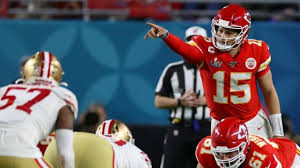
In normal times – and even those involving a once-in-a-generation crisis or two – an ever-reliable choice is the traditional hero archetype: Someone smart, tough, strong, compassionate and possessing a keen sense for fair play. Kansas Citians might understandably vote for the equivalent of Chiefs quarterback Patrick Mahomes to lead their business/political/religious/nonprofit team. You know, someone who always seems to do or say the right thing, who can face seemingly hopeless odds and see a way to victory, who inspires confidence in and elevates the performance of those around him, who meticulously prepares for each aspect of his game, who remains calm and focused amid swirling chaos, who has the complete trust of coaches and teammates, who sometimes comes at challenges from unorthodox angles, who is nimble enough to escape when danger closes in, who has the vision to see an entire field and make the right play, and who always manages to come through in the clutch. But these are not normal times. Visit this space in a week or two for observations on leadership traits and virtues necessary for leaders in extraordinary times.

Where we are with COVID-19
We’re sick and tired of sitting home, not seeing our family and friends. Some are experiencing the excruciating pain of watching a loved one die, looking helplessly through a window, not being able to hold or comfort them as they pass. We are frustrated. We have a robust health care industry with some of the best medical practitioners and research scientists in the world and they will eventually, hopefully in the near future, develop preventative vaccines and protocols for treatment of this pernicious virus. And yet, with less than 5% of the world’s population, we have nearly a quarter of the world’s deaths from COVID. We want our sports and entertainment venues, restaurants and bars, and houses of worship to be open, but many of us don’t want to wear masks or really social distance, acts health experts generally agree will mitigate the spread of virus molecules. Working parents desperately want their children back in school, but are fearful. School administrators want the same, but are confused about what model can prove sustainable and safe for students and teachers alike.
Some 13.6 million Americans are unemployed, as of August, according to the Bureau of Labor Statistics. The COVID-19 statistics are mind-numbing: 31.6 million cases and 760,000 deaths worldwide compared with 2 million cases and 128,000 deaths in mid-April; 7 million cases and 203,600 deaths in the U.S. compared with 654,000 cases and 31,000 deaths in mid-April; 37,141 cases and 516 deaths in the Kansas City metro compared to 1,447 cases and 76 deaths in mid-April.

 The Nontrepreneur