
In less than two weeks, “We the People” will elect the next leader of the free world. Whether he will be the incumbent, President Trump, or the challenger, former Vice President Biden, is unclear. Also unclear is whether either candidate matches up to the great leaders who guided our nation through its most difficult times.
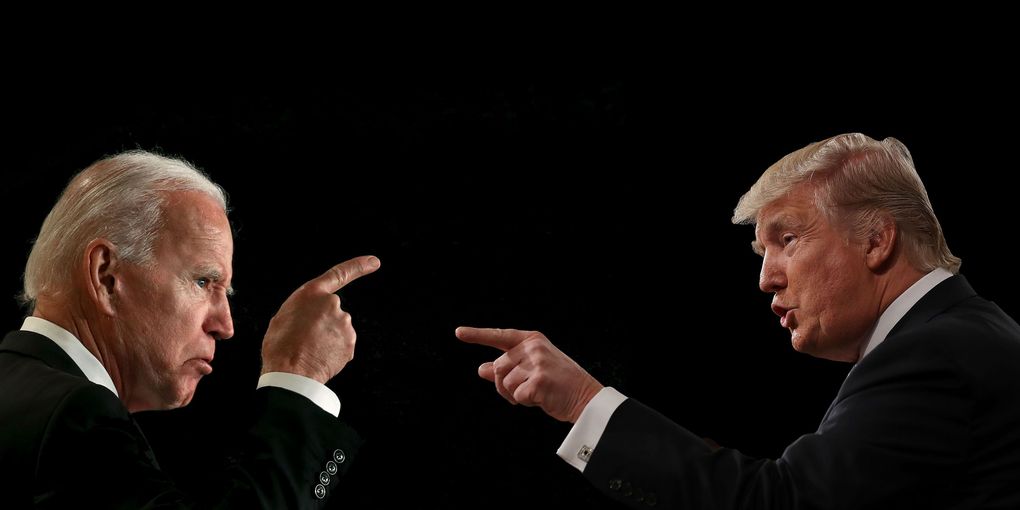
So what leadership attributes, virtues and character traits do presidential historians and scholars cite as marks of a great president? Most could apply to all manner of leaders – and listed in books, workshops and speeches by leadership gurus like W.E. Deming, Tony Robbins and Brené Brown. Ability to Inspire, Accountability, Confidence, Decisiveness, Determination, Effective Communicator, Empathy, Enthusiasm, Focus, Honesty, Humility, Intelligence, Inventiveness, Positivity, Relentlessness and Resilience are all attributes leaders of any enterprise have to some degree. Every individual who reaches the highest office in the land will carry many of these attributes with him or her. However, some of the more defining attributes of those ascribed as great presidents, i.e. those presidents ranked by history, are told powerfully in narratives by notable historians of the past half-century. Here is a Cliffs Notes summary:
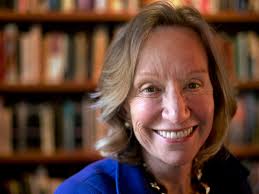
- Impulse Control. Doris Kearns Goodwin, Pulitzer prize-winning historian, noted presidential scholar and author of Leadership in Turbulent Times, claims the Ability to Replenish Energy, Ability to Communicate Through Stories, and Impulse Control among traits and patterns of behavior common to four presidents who led the nation in particularly difficult times. She says of Abraham Lincoln (Civil War), Theodore Roosevelt (Industrial Age inequities/culture clash to brink of revolution), Franklin Roosevelt (Depression & War) and Lyndon Johnson (taking office after assassination of President Kennedy/civil rights legislation): “At their best, all four were guided by a sense of moral purpose. At moments of great challenge, all sought to heal divisions, to bring various parts of the country together, to summon the citizenry to a sense of common purpose. They were able to use their talents to enlarge the opportunities and lives of others.”
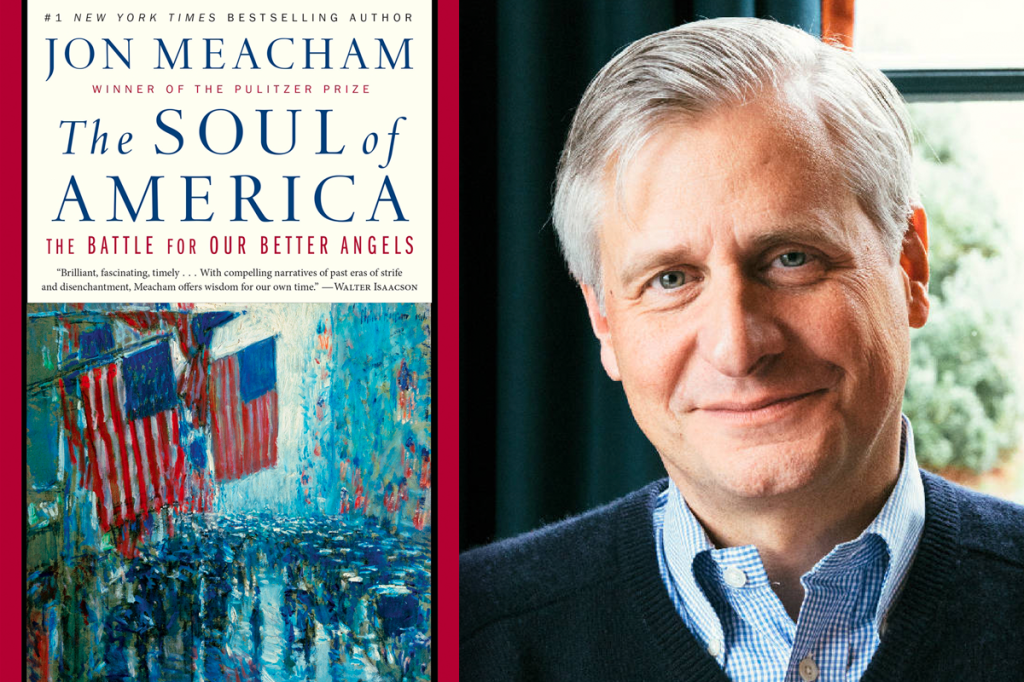
- Generosity of Spirit. Jon Meacham, another Pulitzer prize-winning historian and best-selling author of numerous books, including American Lion (a fascinating biography of Andrew Jackson, arguably the first populist American president and, until recently, widely considered by historians to be one of our better U.S. presidents), Thomas Jefferson: The Art of Power (I highly recommend), and Soul of America, emphasizes that leaders in times of crisis – notably war – must rely on a deep well of moral virtues as a guidepost to actions. In part, it is the perception of high character that gives crisis leaders the credibility and trust to gain the broad support necessary to bend their will on others.

- Recognizes Own Shortcomings/Handles Failure. David McCulloughis the Pulitzer-prize winning author of Truman and John Adams as well as many other best-selling historical non-fiction works. He cites John Adams as an example of a leader who recognized his shortcomings, but also made sure he filled the gaps with people who had compensating skills or experience. In essence, spotting talent was one of his gifts. McCullough cites Washington as an example of learning from his failures. As a brash young officer, Washington suffered tragic defeats during the French and Indian Wars, but used the lessons learned to his advantage during the Revolutionary War.
- Religious. Michael Beschloss, best-selling presidential historian and author of nine books about U.S. presidents, and popular expert source on historical matters for major TV networks and print publications, says that every war-time president became more religious after making the decision to shed American blood.
- Married to a Strong Woman. Beschloss notes that all war-time presidents were married to strong women, some of whom influenced their husband’s thinking. And to all the strong women in my family and with whom I’ve worked with or for, I hear your “Well, duh!” and concur.
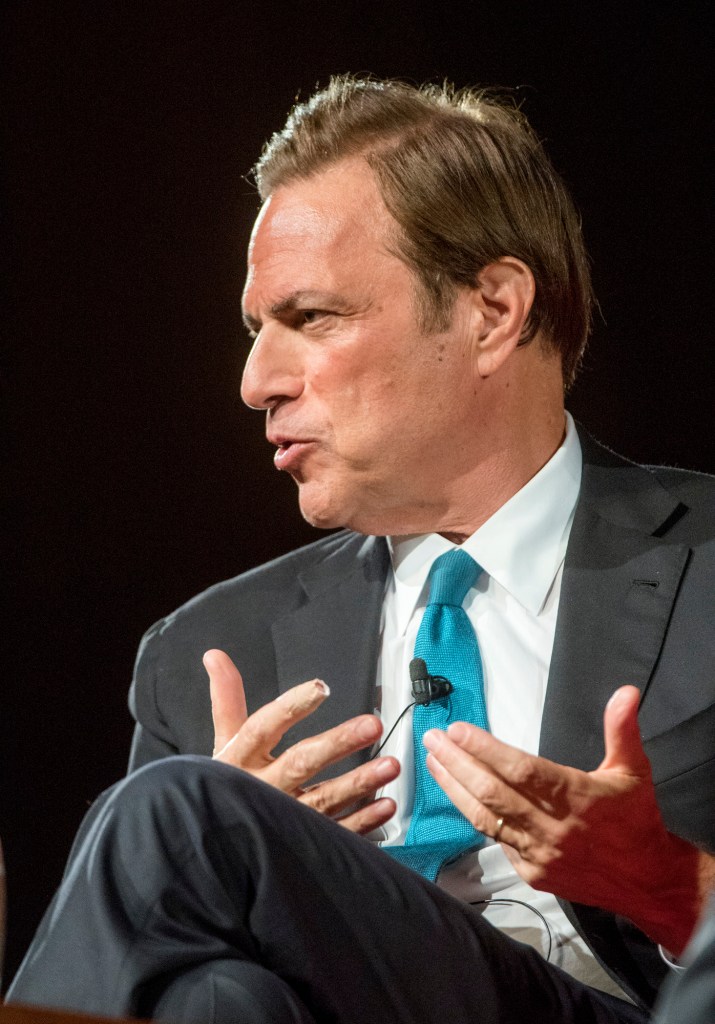
In today’s bifurcated America, there is too much anger, fear and distrust among us. We could use more love, peace and civility toward one another. Whichever way the vote swings in the presidential race, hurting will persist for a time, perhaps a long time. Hopefully, we as a nation will find a way to come together sooner than later. And on that note, I turn once again to Beschloss for a hopeful thought from an interview last May with Judy Woodruff for PBS:
The American people have this amazing ability to bind together and to be resilient, even if their leadership is not perfect. So, I would say that, if history tells us anything — and, in my line of work, we think it tells us a lot — it would suggest that the result of this will be, assuming that we survive and assuming that the country sticks together, we will survive and prosper in a way that might even make this a better society.
 The Nontrepreneur
I fear this un-reconcilably sad time in our once-great country may turn out yet another book: The Death of The World’s Most Noble Experiment.
Everywhere I look I see fight-or-flight level meanness, uncompromising singleness of purpose, a largely unacknowledged swampy Deep State infested with elites anxious to do anything to unseat a man whose personality they loathe, to make decisions for we the people because we’re incapable of making right choices for ourselves. Destroy the whole country in the process? You bet, if that’s what it takes. The end justifies the means. In the blink of an eye.
I’m disgusted beyond description. Glad my Greatest Generation parents didn’t live to see what we’re doing with the freedoms they fought and sacrificed to preserve for us. No matter who wins November 3rd, we all lose. Contrary to Judy Woodruff, I don’t know how we come back.
LikeLike
BBm I feel your pain and fear. My greatest generation lived through the Great Depression, WWII away from my dad and call=up during Korea. Now is the first time I have seen her downcast about the future. A point of clarification: Judy was the interviewer, Michael Beschloss was giving the hopeful – yet qualified message. I am concerned for our nation’s future, but have a more sanguine outlook.
LikeLike
I read your synopsis with great interest, Rick. Thanks for the post. The traits described by the historians point me to what I consider an obvious, if not perfect, choice in November. The sad and scary thing is a large number of people will read them and think they point to the other candidate. I too, though, share your more sanguine outlook.
LikeLiked by 1 person