
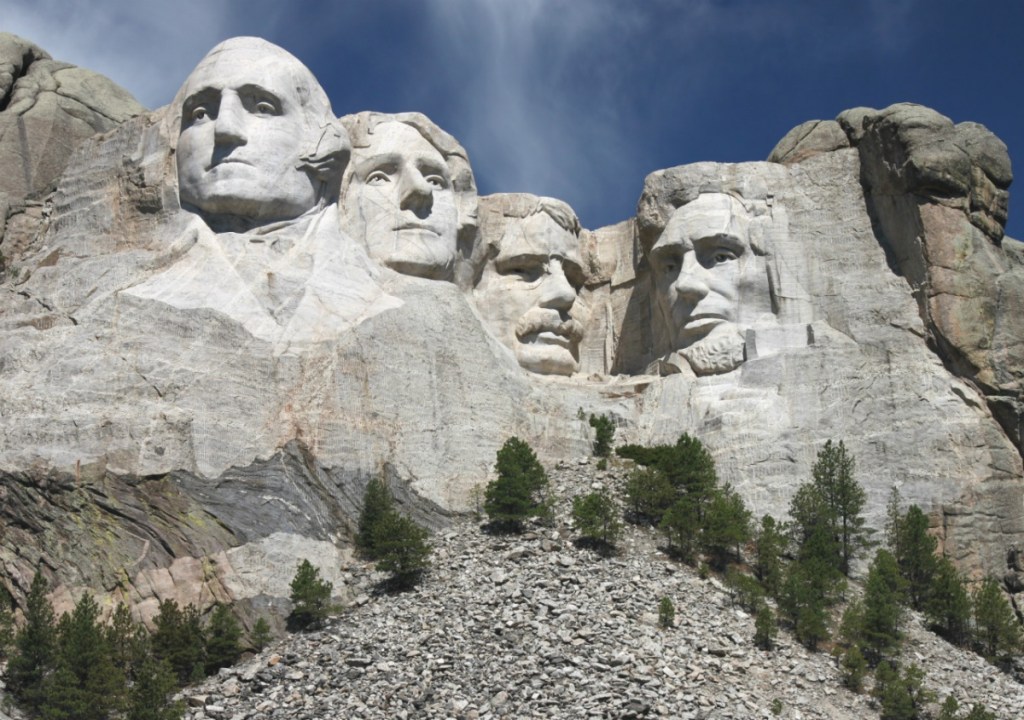
I’ve made two pilgrimages to America’s shrine to presidential greatness. For a nature lover and history nerd, Mount Rushmore is one of the most awe-inspiring places in the world to visit. And so, on hopefully our last Covid Presidents Day, I returned virtually to this majestic monument to divine creation and human capacity. Sculptor Gutzon Borglum honors four presidents, bookended by George Washington and Abraham Lincoln, the presidents for whom Presidents Day was proclaimed. Gazing up above timberline to the faces carved from granite, I am struck by the thought that Mount Rushmore would have been fine – if not better – with just Washington and Lincoln. That is not to say that Thomas Jefferson and Theodore Roosevelt don’t belong. Fact is, Jefferson holds most favored status in my personal Presidential Hall of Fame, primarily for the Declaration of Independence and the Louisiana Purchase. And what Theodore Roosevelt did for the expansion of public lands and preservation of nature’s greatest creations warrant recognition. Plus, how many people do you know tough enough to finish a speech after being shot in the chest? What TR did post-presidency is almost incomprehensible in the context of modern presidency (read Candice Millard’s River of Doubt). But Washington and Lincoln are the presidents that stand out most in America’s collective memory. They are universally admired.
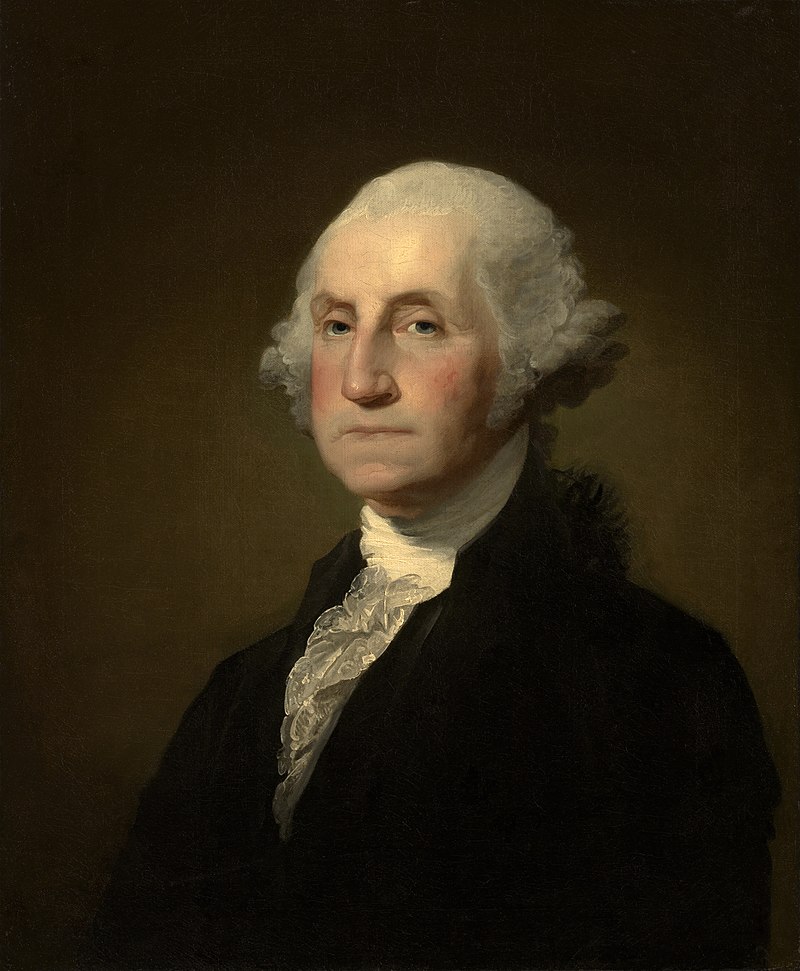
Washington was “first in war, first in peace and first in the hearts of his fellow countrymen.” He gave birth to our nation and put it on a solid course that would create a lasting Republic. He set the standard for the U.S. Presidency. So revered was he, that for over a century, no successor sought more than two terms in office (the 20th Amendment enshrined the tradition). He could have been King or president for life. Instead, he put the interests and welfare of a fledgling nation above his own. His Farewell Address to the nation is one of the most beautiful and inspiring speeches of all time. Interestingly, his admonition that political parties would be destructive to a lasting democratic republic echoes as prophecy more than 200 years later. Washington was not a perfect man by any stretch of the imagination. He will forever be known as a slaveholder. He failed miserably in the French and Indian War, costing many of his troops dearly. He learned from his mistakes and attempted to make wrongs right. In the end, most historians consider him America’s greatest president.
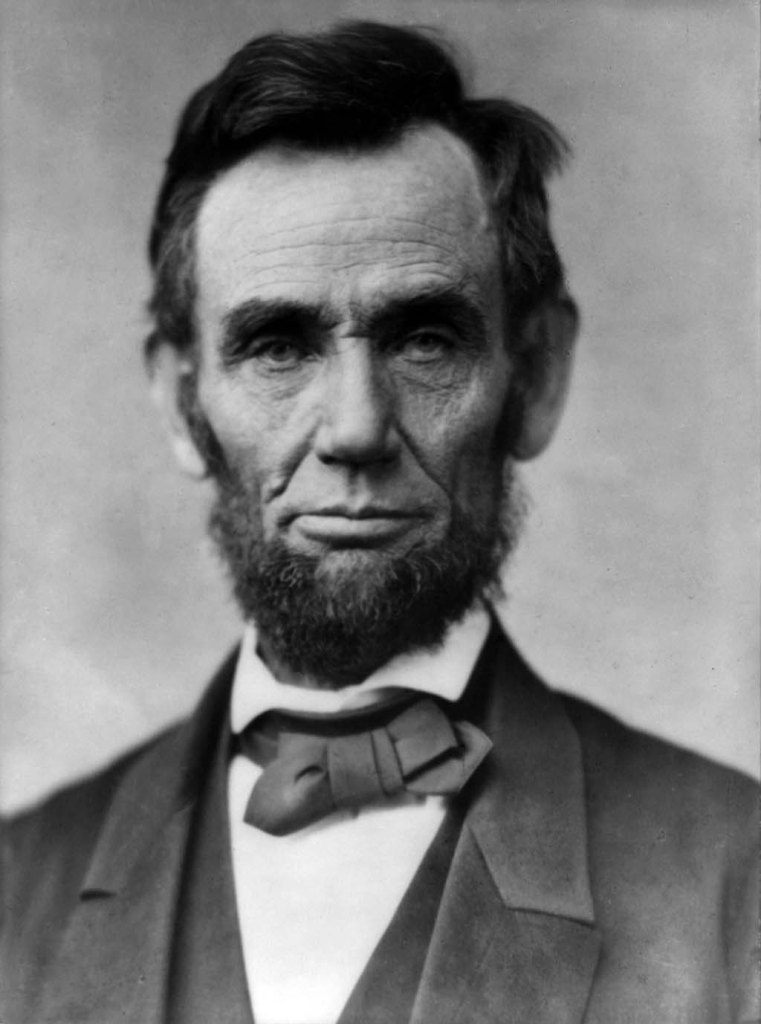
Lincoln gave our Republic its “new birth of freedom.” Like Washington and every other human who has lived, he also had shortcomings. I was disheartened when researching for a term paper, to stumbled across a quote from one of the Lincoln-Douglas debates that read something like, “I do not consider the Negro the intellectual, physical or moral equal to the white man.” For a long while, I resented his hypocrisy. I later learned that the Civil War changed him. Of course, how could it not? Lincoln earned his vaunted place in history because of his failures. He, like Washington, learned from failure. Lincoln came to a moral conviction that slavery was wrong and took a pragmatic approach to the reality of a bitterly divided nation. To accomplish noble purpose, he pivoted when he had to, cajoled when it served his aims and made devilish bargains – all for the greater common good. His Gettysburg Addressis considered by many to be the most impactful and most widely recited two-minute speech of all time.
I tend to lose myself in moments when my mind goes down several roads. In my Rushmore journey of mind, I imagined myself being there in the early days of the sculpting, hearing the thunderous dynamite explosions (90% of the sculpting was done by dynamite), envisioning the large chunks of granite exploding off the mountain and witnessing the workmen dangling on scaffolds gradually revealing faces sculpted from rock. I looked down as if wearing virtual reality goggles to see where literally tons of broken shards lay. And I was immediately diverted to the present. Laid out before me was an unambiguous metaphor of our most recent former president’s term in office. President Trump began his administration explosively, continued in great controversy and ended in a historic second impeachment. His presidency lies at the bottom of the Hill like a heap of shattered rubble. The Republican Party is left with a doubtful future. And our nation is divided nearly as bitterly as the one Lincoln pieced back together but never thoroughly healed. It makes me sad. It did not have to end this way.
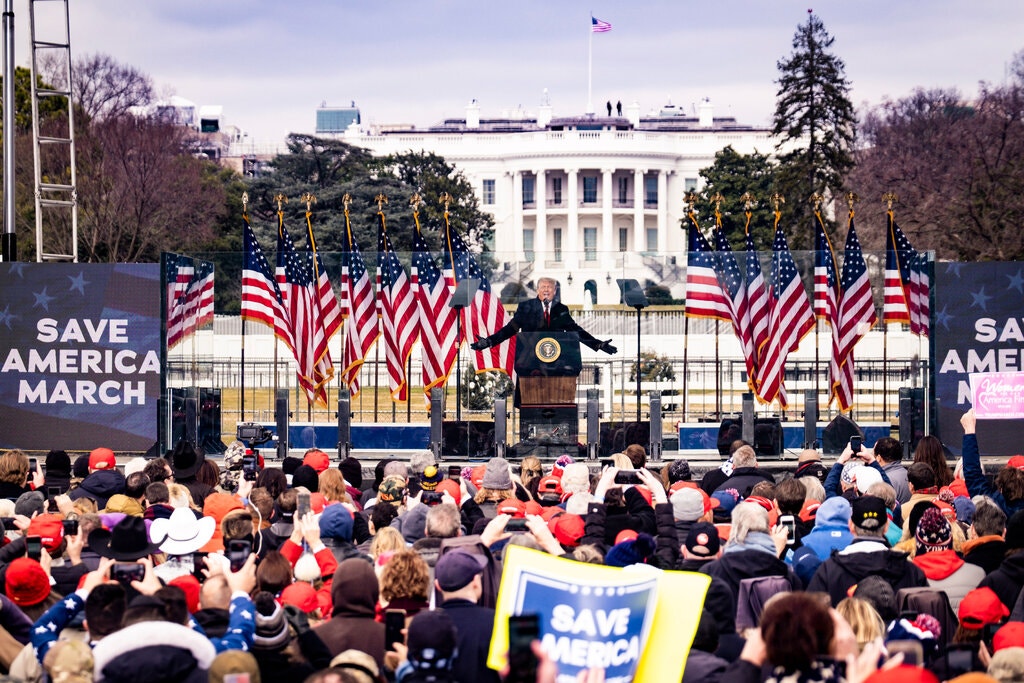
Let me be clear, I never liked Donald Trump. He’s just not the kind of person I admire, aspire to be like or even be around. I did not vote for him because he demonstrated no clear set of guiding principles or political philosophy. However, once he secured election, I held the genuine hope that he would be the kind of disrupter and dealmaker that would move the country forward. And failing that, he would cause we the people to examine more closely the institutions and principles of our government. He failed to do so in the first hope, the verdict is still out in the second. President Trump can certainly claim achievements from his time in office – and could have claimed more, notably pre-Covid economy and Operation Warp Speed – had he constrained himself. But unlike Washington and Lincoln, he never learned from his mistakes, engaged in self-reflection or admitted failings. Rather, he double-downed. President Trump could not get past losing a close election. He tried mightily to overturn the election, legally at first. But try as he might, he could not get attorneys general and election officials of battle ground states to lie and cheat for him. His legal team filed more than 50 court challenges – all receiving stinging rebukes by judges, citing complete lack of evidence of voter fraud. When all else failed, he summoned his most loyal supporters, misled them and took advantage of them, inciting them to insurrection. Historians don’t normally make judgments on presidential administrations for decades. But based on post-insurrection comments from today’s most well-known presidential historians, President Trump will replace James Buchanan and Andrew Johnson as the worst presidents in history. These authors will point to two condemning issues for the Trump Presidency that have played out in real time: his mishandling of the Coronavirus crisis, resulting in more than 600,000 dead Americans and a significantly diminished economy; and failing to execute his sworn oath of office to preserve and protect the Constitution of the United States against all domestic and foreign threats. Before Donald J. Trump, very few Americans could imagine that a U.S. President would refuse to accept a democratic process, attempt to strip millions of Americans of their legal vote, or incite an insurrection of the government he led. Shakespeare wrote poetically of human judgment in Julius Caesar: Mark Anthony says “The evil that men do lives after them; the good is oft interred in their bones.” And so it seems that any good that President Trump did while in office will be forever overshadowed by two great failings.
I write this NOT as a disparaging judgment on those who liked President Trump or supported him, but rather out of disappointment for what has happened and fear for what could. After all, some of his 70 million supporters are friends and family that I know, love and respect. However, I am less charitable about the political enablers who supported his worst instincts. Most of my party’s Representatives and Senators failed to convict what was clearly incitement of insurrection on a flimsy Constitutional question that a preponderance of Constitutional lawyers and experts refuted. They showed themselves to be completely lacking in courage and integrity. They are a mix of cowards, selfish brats who never grew up and worse. Some may even be complicit in the insurrection. I became affiliated with the Republican Party in 1968, before 18-year-olds had the right to vote. I helped Representative Dole become Senator Dole, campaigning and canvassing in De Soto, Kansas. College Young Republicans was the first organization I joined upon entering KU. I proudly voted multiple times for Dole, Senator Nancy Kassebaum, Governor Bill Graves and a host of other solid, centrist Republican candidates who demonstrated willingness to collaborate with opposing party members for the good of the entire citizenry. The Party began moving away from me in 1984 with the Gingrich Revolution. I had hope that it would return to more centrist ideals. It went the other way, moving further and further to the right under the influence of Tea Party and then the Freedom Caucus members. Now the Party is infiltrated with conspiracy theorists. I no longer believe the Republican Party will ever come back to me that in any way resembling what was once considered “Kansas values.” Some political scientists say we are overdue for political party realignment; it looks like it is well under way. On Presidents Day, I went with George Washington. I officially disaffiliated with the Republican Party.
 The Nontrepreneur