
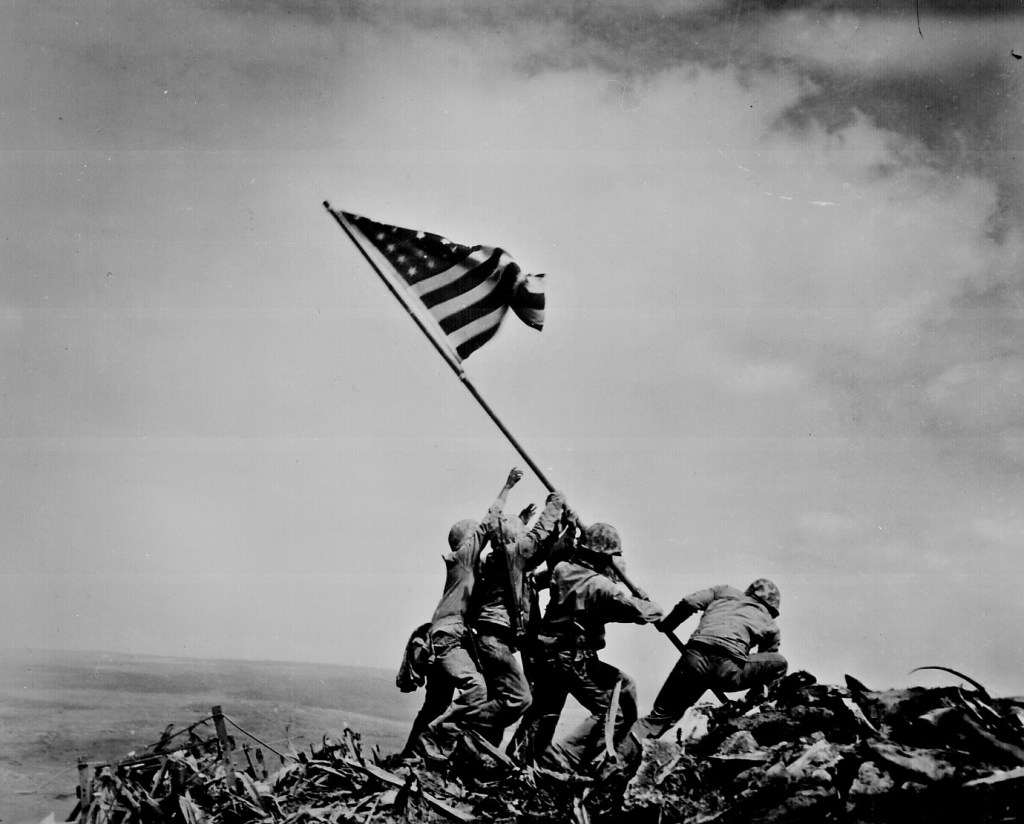
For nearly 250 years, Americans have fought and died for democratic ideals that were set forth in Enlightenment philosophy and memorialized in the Declaration of Independence and the U.S. Constitution. The idea of a government of the people, by the people and for the people was radical in the extreme. Not even the patriots and founding fathers really believed this form of government could stand. Back in their day, many expected George Washington should be king. He saw it differently. And won, thankfully. So for all those who have defended America’s interests from the Revolutionary War through Afghanistan, we give you our heartfelt thanks.
But defending a democracy requires more than military might. It requires civic commitment by all of us. On Election Day, Americans came through in historic fashion. Not everyone was happy with the outcome, but that is what democracy looks like. The turnout was extraordinary for a mid-term election, in spite of significant efforts by the Republican Party to restrict voter participation. On election day, America spoke clearly to those in elective office: “We don’t need you to fight for what divides us, we need you to work for our common interests.” America has always valued independence, self-determination, fair play, equal opportunity, kindness and generosity. We’ve lost our way a bit, but not so far off track that we can’t restore the best of what is America.
It is no secret that our democratic republic has been threatened recently, that our citizens are as polarized as much as we were in the early 1800s, 1860s or 1960s. There are serious concerns and threats ahead to be sure. As an enthusiastic, lifelong student of history and government, I am heartened by the 2022 election because American Democracy was the big winner. My takeaways from the election and why the results took so many by surprise are these:
Polling was terrible – as it has been for multiple recent elections. In this election, the forecast was for a Red Wave. Obviously that did not happen. As the vote sits 72 + hours from Election Day, Democrats are likely to retain Senate control and have a slim path to retaining the House. And anyone carefully watching or listening knew better. Number one, polling is by nature a trailing indicator. Pollsters, politicians and pundits rely on historical trends and reaching demographics that are becoming increasingly unlikely to respond. And many polls do not even attempt to find out what voters are thinking, but are instead designed to push or influence a pre-determined result. Media are often lazy and complicit in the whole prognostication process. Pundits and politicians of both sides benefit by fomenting division and fear. Tip: if you want the most objective reporting, turn to the Associate Press.
The Republican Party is in disarray. It is likely the party will realign. The Party received a stinging rebuke throughout the country, with the exception of Florida. Florida was the Red Wave the party expected to go throughout the country. Fingers of blame are being pointed at former President Trump and Minority Leader McCarthy. MAGA candidates took a beating in most states. The party has moved further and further right since the Gingrich Revolution in 1984. The January 6 insurrection encouraged, if not incited, by the former president was a breaking point for hundreds of thousands of Republicans according to reporting by the New York Times. The party has for too long focused more on power and less on representing its constituents. Polling in the U.S. shows that most citizens like Affordable Health Care, Social Security, bans of military style rifles and environmental issues. Republicans have opposed all of these. It is unclear whether the party will continue to consolidate around its MAGA base and recruit from rural arenas, Christian Nationalists, Latino and white men without college education or move back to its traditional conservative. In either case, it may suffer in 2024 and likely beyond. We need two parties, so the hope here is that it reforms around conservative policy. And former President Trump, while still wielding significant influence, is losing power. He may or may not run for a third time. He may or may not even be a viable candidate; it ia unclear if party leaders will back him – and then there’s a very real possibility that he may become ineligible to hold office pending potential felony obstruction charges.
Game Changers. Educated suburban women were a force. And it wasn’t strictly abortion for them. The undercurrent was democracy and threats to other freedoms. Telling was a suburban sports mom that I overheard say at a baseball game, “Inflation and the stock market have their ups and downs, but losing your democracy and civil rights is forever.”

Gen Z stepped up and very few in the media or pundit class saw it coming. This is the cohort of young people born in the early “90s. It has been compared to Baby Boomers, but beware of lumping. Neither the Boomer nor the Gen Z generation is a monolithic body. Gen Z is animated by gun violence in their schools and environmental concerns. They believe climate change is an existential threat to their survival. Boomers believe they will die of causes other than climate. This generation is far more active politically than their parents. They are impressive and ready to take their place in the world at a young age. One, Maxwell Alejandro Frost, is a newly elected member of Congress (from Florida). Gen Z is more naturally aligned with the Democratic Party because Democrats are working on issues of their concern. Note to Republican Party: You could add Gen Z to your mix if you address their issues. Both parties need to be reminded that they are part of Team America.
The question before America is: How do we work toward the more perfect union described in the Preamble to the Constitution? I offer several suggestions to the challenges threatening our democratic republic.
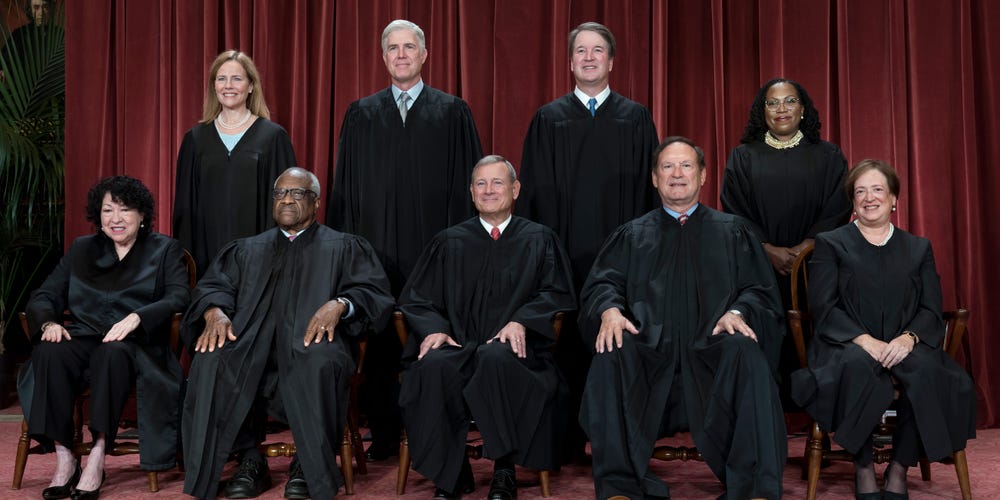
Deny the Tyranny of the Minority. Our forefathers were concerned with the tyranny of the majority, but never contemplated that they might create a tyranny of the minority. Their remedy for protecting minorities was the addition of a Bill of Rights, the personal liberties that Enlightenment philosophers described as natural rights – inalienable rights that should be open to each human life. Among those rights, it would seem logical that the decision whether to bring forward a life would be one. For nearly 50 years, the right to reproductive autonomy was granted in the Roe vs. Wade decision by the Supreme Court. Yet six current Supreme Court justices reversed that decision. Five of the justices are Catholic and another was raised Catholic. Much of the energy behind voter turnout, first announced in the Amendment 2 vote in Kansas last summer, was manifest nationally. In addition to reproductive autonomy, questions were raised as to gay or mixed race marriages – not to mention concern over how the justices might rule in cases involving Christian and non-Christian litigants. Congress should be open to ending the lifetime appointment of justices and consider increasing the number of justice appointed to the Supreme Court. Why not set the number at 12, a standard jury? Another countermeasure to tyranny of the minority would be to eliminate gerrymandering. Both parties have used it through the years, including this past year. It is wrong for America. An acquaintance once stated in a speech an unfortunate truth: “The best one can hope for in life is an unfair advantage.” By gerrymandering, groups of people are being disenfranchised from their vote. It isn’t fair or right. Lastly, do away with the Electoral College. Yes, we are a representative form of government, but the days in which voting was cumbersome are long gone. Two of the last three Presidents have failed to win the popular vote. That may not be a big deal, but why not let all the people determine the presidency?

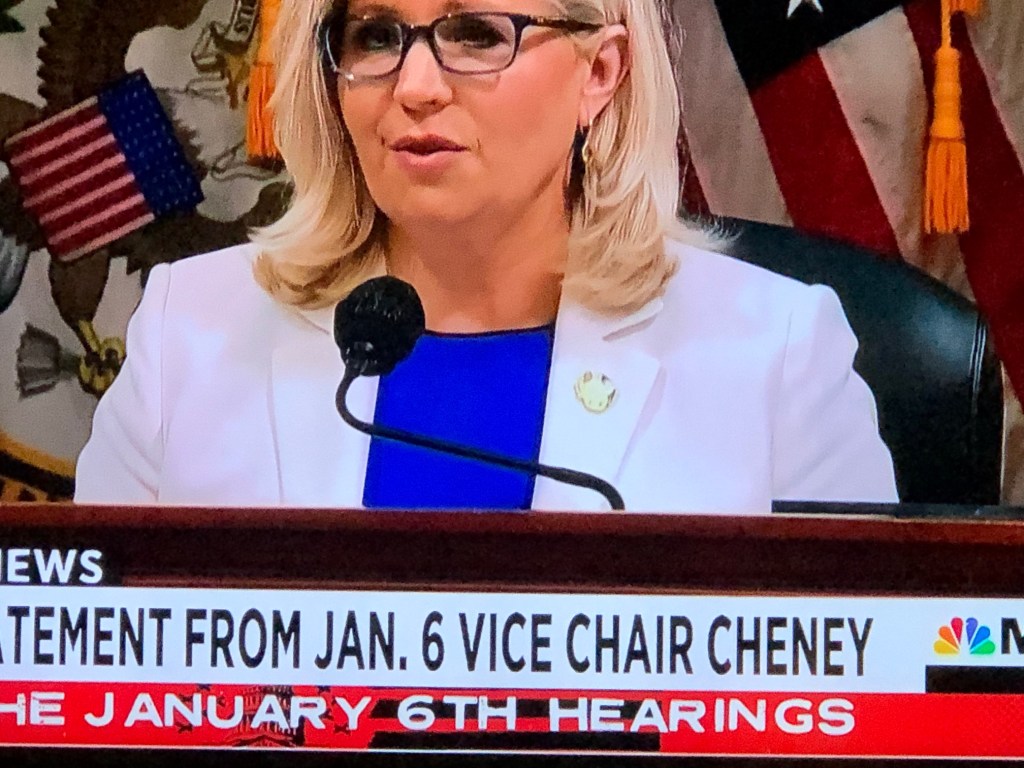
Come Together. The gaps between the people of this vast, diverse nation include income, wealth, race, ethnicity, gender, sexual orientation, education, politics and more. It is easy to live in our silos and never really know about others lives, needs, abilities and problems. Prejudices are easily formed and, sadly, institutionalized. In our history, circumstances like war and economic downturns have brought people together. President Biden has tried to salve the wounds of divisiveness, but has been unable to make it happen. We are, by nature, tribal. But politics need not be a blood sport, as it is in a very real sense. Rather, politics should be a competitive marketplace of ideas. It once was and can be again. We’ve seen recent examples. Joe Manchin stood up to his party on a bloated budget proposal. Democrats complained, but in the end, a significantly pared budget was good for America and likely saved his party a serious defeat. Liz Cheney looked at insurrection while almost everyone in her party turned a blind eye to it. She stood up for democracy at great personal cost. Hyper partisanship has to end if this country is to move forward to its noble dreams. At the risk of being branded as a social engineer, I favor universal compulsory service. Why not require two years of service for every individual beginning at age 18 or the summer after completing high school? Eighteen-ers should have a modicum of choice in placement, i.e. military service, teaching, health care, construction, manufacturing, farming, technology, environment, etc. As in military, inductees would be paid on a progressive rank scale along with health care and housing. They would live in community and get to know peers from diverse backgrounds and lived experiences. A well-designed program could result in efficient private/public partnerships. And if you want to go crazy, give the recruits two years of college education. After all, the G.I. Bill after WW II produced a new middle class and the greatest period of economic prosperity in our country’s history.
 The Nontrepreneur